
Suboxone vs. Methadone: Which Works Better for Opioid Addiction Treatment?
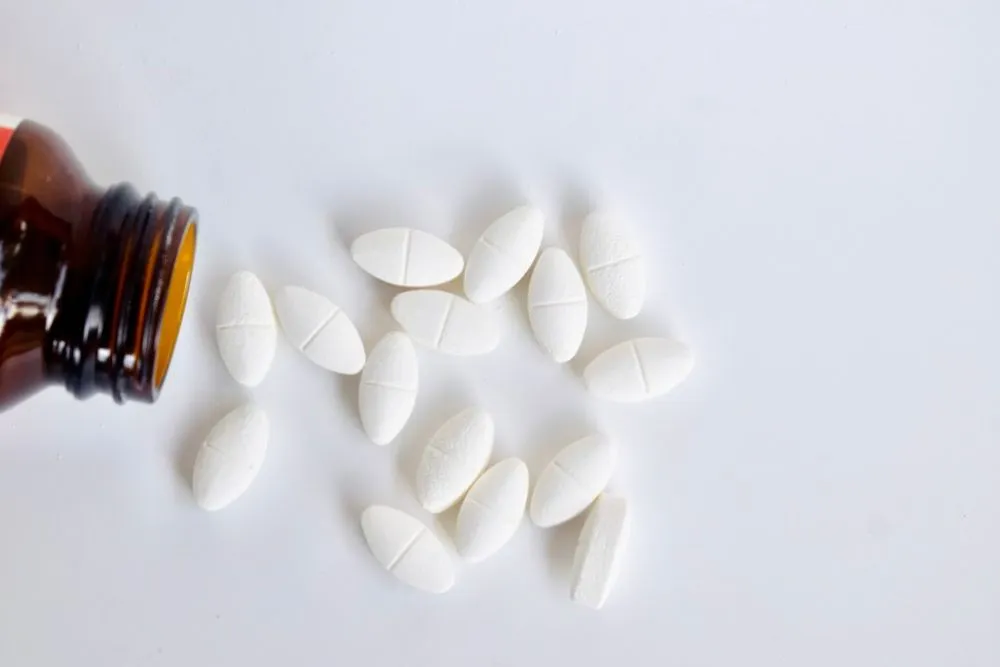
Choosing between two effective medications for opioid addiction carries real weight, and understanding the difference between Suboxone vs Methadone helps patients and families make informed decisions alongside their care team. Both medications belong to the category of medication-assisted treatment (MAT), a clinically proven approach that reduces opioid cravings, prevents withdrawal, and significantly lowers the risk of overdose death.
Research from the National Institute on Drug Abuse confirms that MAT reduces opioid use, decreases criminal activity, and improves treatment retention rates compared to abstinence-only approaches. The right choice depends on your medical history, lifestyle, level of physical dependence, and access to care. You can explore a broader comparison through this overview of methadone and Suboxone treatment options to build on what you learn here.
Both medications bind to opioid receptors in the brain, but they do so in meaningfully different ways, which affects everything from daily routine to long-term recovery planning. Methadone fully activates opioid receptors to suppress withdrawal and cravings, while Suboxone uses a partial agonist combined with a blocking agent to reduce misuse potential.
Studies consistently show that people who stay on either medication for 12 months or longer have significantly better outcomes than those who discontinue early. Understanding how each drug works at a clinical level empowers you to have a more productive conversation with your treatment provider and choose a path that fits your life.
24/7 support availability,
start your recovery today!
Table of Contents
How Does Methadone Work for Opioid Addiction?
How Does Suboxone Work, and How Is It Different?
Which Medication Has Fewer Side Effects or Risks?
What Our Customers Are Saying
Is Suboxone or Methadone Easier to Access and Taper Off Of?
Which Treatment Is Right for You?
Frequently Asked Questions About Suboxone and Methadone for Opioid Treatment
Key Takeaways on Suboxone vs Methadone
Resources
How Does Methadone Work for Opioid Addiction?
Methadone works as a full opioid agonist, meaning it fully activates the mu-opioid receptors in the brain that opioids like heroin or prescription painkillers also target. By occupying those receptors steadily over a 24- to 36-hour window, methadone prevents withdrawal symptoms and blocks the euphoric rush of other opioids.
This mechanism makes it especially effective for people with long histories of heavy opioid use or those who have not responded to other treatment approaches. SAMHSA data indicate that methadone maintenance therapy reduces opioid use by 33 to 50 percent and significantly decreases overdose mortality.
Methadone has been used in opioid treatment programs (OTPs) in the United States since the 1960s, giving it one of the longest evidence records of any addiction medication. Its long half-life means it stays active in the body long enough to prevent daily withdrawal without requiring multiple doses.
Because of its potency as a full agonist, methadone carries a higher overdose risk than partial agonist medications, particularly in the early days of dosing before tolerance stabilizes. Medical supervision during the initiation phase protects patients and helps providers find the right therapeutic dose.
People who start methadone treatment typically visit an opioid treatment program clinic daily at first, receiving observed doses until they demonstrate stability. Over weeks to months, clinics may grant take-home doses as a reward for consistent attendance and negative drug screens.
This structure provides accountability and social support, though it also requires significant time commitment. Knowing what to expect during methadone withdrawal and tapering helps patients plan realistically for the full arc of treatment.
How Does Suboxone Work, and How Is It Different?
Suboxone combines two active ingredients, buprenorphine and naloxone, into a single sublingual film or tablet that dissolves under the tongue. Buprenorphine acts as a partial opioid agonist, activating opioid receptors enough to curb cravings and withdrawal but with a “ceiling effect” that limits its ability to produce a euphoric high.
Naloxone adds a safeguard by triggering immediate withdrawal if someone attempts to inject the medication to get high. This built-in deterrent makes Suboxone significantly harder to misuse than methadone.
The partial agonist ceiling effect also reduces respiratory depression risk, which makes accidental overdose from Suboxone far less likely than from methadone at comparable therapeutic doses. Recent clinical research consistently shows that buprenorphine-based medications retain patients in treatment at rates comparable to methadone, with a more favorable safety profile for many populations.
Suboxone works best for people with moderate to severe opioid dependence who want a treatment they can manage at home with less daily clinical oversight. For a deeper look at how the medication fits into a treatment plan, reviewing how Suboxone functions within drug rehab programs provides valuable context.
Suboxone’s partial agonist profile means some patients with extremely high opioid tolerance may find it less effective at managing cravings than methadone. Providers typically assess tolerance level, prior treatment history, and patient preference before recommending one medication over the other.
Both medications work best as one component of a comprehensive program that includes counseling, peer support, and care for any co-occurring mental health conditions. Treatment outcomes improve substantially when MAT integrates with structured therapy rather than functioning as a stand-alone prescription.
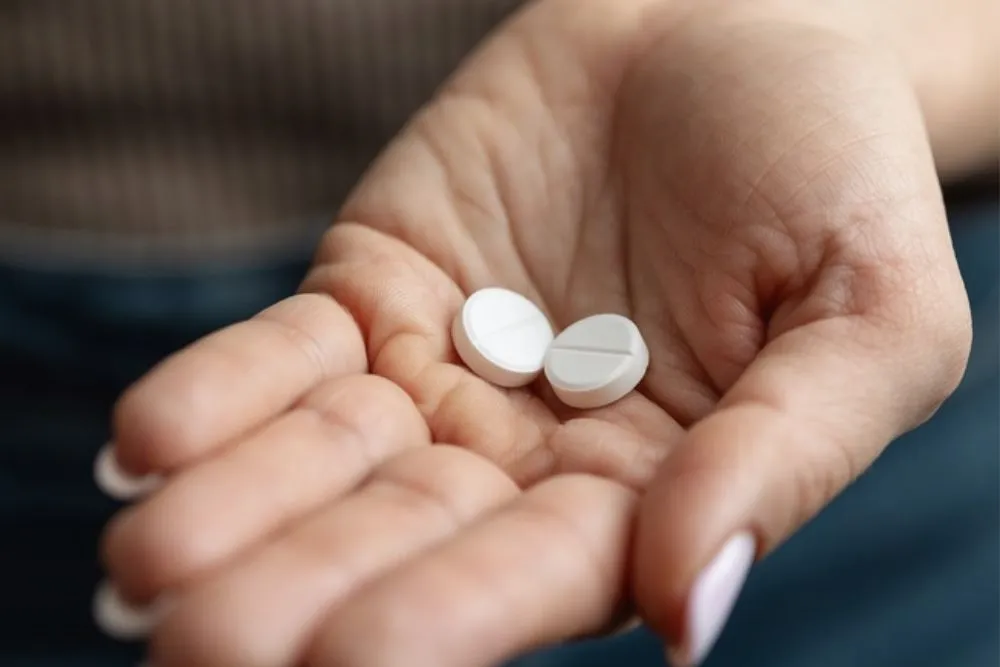
Which Medication Has Fewer Side Effects or Risks?
Both medications produce side effects, but their risk profiles differ in clinically important ways. Methadone carries a higher risk of QT interval prolongation, a cardiac rhythm abnormality that can become dangerous at high doses or when combined with certain medications.
Respiratory depression, sedation, and constipation also appear more frequently with methadone, particularly during the induction phase. Providers screen for cardiac conditions and drug interactions before initiating methadone to minimize these risks.
Suboxone’s most commonly reported side effects include headache, nausea, sweating, and insomnia, most of which diminish within the first few weeks of stable dosing. The naloxone component rarely causes problems when taken as directed, since it absorbs poorly through the mucous membranes compared to injection.
Because of its ceiling effect, Suboxone poses a lower overdose risk, which makes it a safer option for people with limited access to daily medical supervision. Reviewing the full side effect profile of Suboxone treatment prepares patients for what to monitor during early recovery.
Both medications carry the risk of physical dependence, meaning the body adapts to their presence and requires a gradual taper for discontinuation. Patients sometimes interpret this dependence as a problem, but clinicians distinguish therapeutic dependence from active addiction by assessing function, wellbeing, and health outcomes.
Someone stable on MAT who holds a job, maintains relationships, and avoids illicit opioids demonstrates successful treatment even if their body requires the medication. The goal of treatment centers on quality of life and reduced harm, not simply on eliminating all pharmaceutical support.
24/7 support availability,
start your recovery today!
What Our Customers Are Saying
Is Suboxone or Methadone Easier to Access and Taper Off Of?
Access to these two medications follows very different regulatory frameworks in the United States, and that difference shapes daily life in treatment. Methadone for opioid use disorder can only be dispensed through federally certified opioid treatment programs, which means patients must visit a clinic in person, often six to seven days per week at the start of treatment.
This requirement creates significant barriers for people with jobs, childcare responsibilities, transportation challenges, or those living in rural areas without nearby clinics. Locating an accessible program matters enormously, and understanding what methadone treatment clinics offer nearby helps prospective patients plan their first steps.
Suboxone prescriptions, by contrast, can come from any physician, nurse practitioner, or physician assistant who holds a standard DEA license following regulatory changes in recent years. Patients can fill prescriptions at a retail pharmacy and take doses at home, which dramatically reduces the logistical burden of daily treatment.
This flexibility makes Suboxone more compatible with maintaining work, family, and social responsibilities during recovery. For many people, home-based dosing also reduces the stigma of visibly attending a clinic every morning.
Tapering off either Suboxone vs Methadone medication follows a gradual reduction schedule guided by a provider, but the processes differ in their complexity. The common side effects and risks patients should prepare for during Suboxone tapering mirror those of methadone, though methadone’s longer half-life can make its discontinuation syndrome more prolonged.
Providers individualize taper schedules based on duration of use, current dose, and the patient’s psychological readiness. Rushing a taper on either medication significantly increases relapse risk, which is why clinical support throughout the process improves long-term outcomes.
Which Treatment Is Right for You?
No single medication fits every person with opioid use disorder, and several clinical and personal factors guide the decision between these two treatments. Providers consider physical dependence severity, prior treatment attempts, co-occurring mental health conditions, cardiac health, pregnancy status, and daily schedule when recommending one over the other.
People with very high opioid tolerance or a history of treatment failures on buprenorphine-based medications may respond better to methadone’s full agonist strength. Those who prioritize flexibility, home-based dosing, and a lower overdose risk often find Suboxone the more practical choice.
Pregnancy introduces additional considerations. Methadone has a longer safety record during pregnancy, though buprenorphine also carries FDA acceptance for use in pregnant patients. Both medications involve a risk of neonatal opioid withdrawal syndrome, which neonatal care teams manage effectively when birth occurs at a prepared facility.
A maternal-fetal medicine specialist and an addiction medicine provider should collaborate on medication selection for pregnant patients.
The following factors typically guide clinical decision-making when providers and patients discuss MAT options together:
- Severity and duration of opioid dependence
- History of overdose or prior treatment attempts
- Access to a certified methadone clinic versus a pharmacy
- Co-occurring cardiac conditions or other medical needs
- Personal preference and daily lifestyle demands
Whichever medication a patient starts with, the ability to transition to the other option always exists if the first choice proves ineffective or causes intolerable side effects. Treatment decisions stay flexible, guided by ongoing clinical assessment and open communication between patient and provider.
Frequently Asked Questions About Suboxone and Methadone for Opioid Treatment
Patients and families researching medication-assisted treatment commonly ask these questions about choosing and using opioid treatment medications:
-
Can someone switch from methadone to Suboxone during treatment?
Yes, patients can transition from methadone to buprenorphine-based medications, but the switch requires careful timing to avoid precipitated withdrawal. Providers typically reduce the methadone dose to 30 mg or below and wait for moderate withdrawal symptoms before introducing buprenorphine.
-
How long do most people stay on medication-assisted treatment?
Research supports indefinite or long-term MAT for many patients, since longer duration correlates with better outcomes and lower relapse rates. The National Institute on Drug Abuse recommends providers avoid arbitrary time limits on these medications.
-
Does taking either medication mean you are still addicted to opioids?
Taking prescribed MAT medications as directed represents treatment for a medical condition, not active addiction. Clinical guidelines and major medical organizations, including ASAM, classify stable MAT patients as being in remission, not in active substance use disorder.
-
Will insurance cover the cost of these opioid treatment medications?
Most private insurance plans, Medicaid, and Medicare cover both methadone clinic visits and Suboxone prescriptions under federal mental health parity laws. Out-of-pocket costs vary by plan, so contacting your insurer directly confirms your specific benefits before starting treatment.
-
Is it safe to drink alcohol while taking buprenorphine or methadone?
Combining alcohol with either medication significantly increases the risk of respiratory depression and overdose, particularly with methadone. Providers counsel patients to avoid alcohol entirely during MAT, and dual-diagnosis treatment addresses co-occurring alcohol use disorder when needed.
-
What happens if someone misses a dose of their opioid treatment medication?
Missing a methadone dose can trigger withdrawal symptoms within 24 to 36 hours, while a missed Suboxone dose typically produces symptoms more gradually due to its longer receptor binding. Patients should contact their provider or clinic promptly rather than doubling up on doses, which can create dangerous sedation levels.
Key Takeaways on Suboxone vs Methadone
- Both medications reduce opioid cravings, prevent withdrawal, and significantly lower overdose mortality when used as directed.
- Methadone works as a full opioid agonist with a higher risk profile, requiring daily clinic visits and medical supervision during initiation.
- Suboxone combines a partial agonist with a misuse deterrent, offering greater accessibility, home-based dosing, and a lower overdose risk for most patients.
- The right medication depends on dependence severity, medical history, lifestyle, and access to care rather than a one-size-fits-all recommendation.
- Long-term MAT paired with counseling and mental health support consistently produces better recovery outcomes than short-term or abstinence-only approaches.
Suboxone vs Methadone medications represent evidence-based tools that have helped millions of people rebuild stable, fulfilling lives. The goal of treatment extends far beyond stopping opioid use; it encompasses mental health, relationships, employment, and overall quality of life.
If you or someone you care about needs guidance on starting medication-assisted treatment in the Los Angeles area, Muse Addiction Treatment offers comprehensive evaluation, MAT integration, and dual diagnosis care in a supportive clinical environment. Our team helps patients find the treatment approach that fits their individual needs, not a generic protocol. Call 800-426-1818 to speak with an admissions specialist any time, day or night, and take the first concrete step toward a stable and healthier life.
Resources
- NIH – Medications for Opioid Use Disorder
- SAMHSA – SAMHSA’s National Helpline
- ASAM – About Us
